Showing posts with label Gay Fairfax. Show all posts

Saturday, March 17, 2018

Listen to Me on the Radio (and Podcast)

Starting with this weekend's episode, I am the host and producer of "The Score," a podcast featured on the news and politics web site Bearing Drift. "The Score" is also broadcast over the airwaves on WINC 1400 AM and WINC 104.9 FM in Winchester, Virginia. In addition, “The Score” can also be heard around the world on Red State Talk Radio Network, its affiliates, and on its Roku channel and free Android app.

The Score hosted by Rick Sincere on Bearing Drift radio

This week's guests on "The Score" are Elliott Harding, former legislative director for Congressman Tom Garrett (R-VA5), who talks about a bill that would reduce students' debts in return for their deferring retirement; Libertarian Party nominee for the U.S. Senate Matt Waters; and Marian Tupy of the Cato Institute, who answers my questions about Africa's economic future.

If you're in the vicinity of WINC's AM and FM signals, you can listen to "The Score" at 7:00 o'clock on Saturday morning, preceded by "America This Week" and followed by "In the Garden with Andre Viette."

Hosting a radio show has long been an ambition of mine.  It probably dates to my earliest days listening to talk radio in Milwaukee as a teenager.  Back then it was a late-night program on WEMP-AM hosted by Ira Fistell.  His mix of interviews with authors and celebrities with listener call-ins was still new in the early 1970s (before the FCC repealed the "fairness doctrine") but it set a standard for me.  I also appreciated and learned from Joey Reynolds' laid-back, conversational style manifested in his longtime overnight program from WOR-AM in New York City.  Because, really, what is an interview but a form of conversation?

In my career as a public policy analyst, author, and activist, I have been a guest on more radio and TV programs than I can count, in studios from Las Vegas to New York to Johannesburg and by phone across North America and around the world.  In the early 1990s, I was co-host of a cable access show in Arlington, Virginia, called "Politics: Landry vs. Sincere" and I was a correspondent, book reviewer, and anchor on "Gay Fairfax," a news magazine show originating in Northern Virginia but bicycled to cable systems throughout the Mid-Atlantic.

Readers of this web site will recall that, in July 2015, I sat in for host Coy Barefoot on WCHV-FM while he was on vacation.   Later that year, I auditioned to take over the afternoon drive-time program on that same station.

I have been contributing interview segments to "The Score" since I began writing for Bearing Drift in late 2011, with spots featuring Virginia politicians like former governors George Allen, Bob McDonnell, and Doug Wilder; Senators Tim Kaine, Mark Warner, and Jim Webb; and Members of the House of Representatives like Eric Cantor, Tom Garrett, Bob Goodlatte, and Robert Hurt -- not to mention numerous candidates for public office, members of the General Assembly, and authors and experts on public policy issues.  (Scroll through "The Score" archive to track those down.)  My thanks to former host Scott Lee and former producer Norm Leahy for those opportunities.

In addition to all this, I have been a happy participant in the weekly political roundtable on Coy Barefoot's "Inside Charlottesville" show on 94.7 WPVC-FM, along with fellow panelists Jackson Landers and Shaun Kenney.  You can listen to us live on Monday afternoons at 5:00 o'clock.  There's a livestream of the program and it is also archived as a podcast on InsideCville.com.

The past week has been a whirlwind as I taught myself the basics of editing a 55-minute radio program but I hope the result is easy listening to provocative and timely interviews that inform our audiences and stimulate their conversations. One aim:  to syndicate the show to more broadcast stations, not just in Virginia but elsewhere in the United States, too.  If your favorite radio station could use some fresh content, please recommend "The Score" to its program director.


Friday, March 21, 2014

My 1991 Interview with Geraldine Ferraro

Hank Stuever's review in Friday's Washington Post of a new Showtime documentary about 1984 Democratic vice-presidential nominee Geraldine Ferraro reminded me that I once interviewed her.

Rick Sincere interviews Geraldine Ferraro, 1991
The occasion was a Human Rights Campaign Fund (now Human Rights Campaign) fundraising dinner in late 1991. I was a correpondent for Gay Fairfax, a local TV magazine show in Northern Virginia that also appeared on various public-access cable channels around the country. The interview, which was cut away from excerpts of Ferraro's speech that night, was broadcast months later, on February 10, 1992.

At the time, Ferraro was embarking on a campaign to unseat then-Senator Alfonse D'Amato in New York. D'Amato was a Republican who had first been elected in the Reagan landslide of 1980.

As John Peter Olinger later noted about Ferraro's appearance at the HRCF banquet in an undated paper for the Rainbow History Project, "It was striking to watch as the crowd at the Human Rights Campaign dinner in 1992 [sic] cheered wildly as Geraldine Ferraro said she was running against Senator D’Amato and to realize that just six years later that same organization endorsed Senator D’Amato’s re-election."

As it turns out, the former congresswoman did not even win the Democratic primary to face D'Amato in November. She lost that election to New York attorney general Robert Abrams in a crowded field that also included pre-MSNBC Al Sharpton, New York City comptroller Elizabeth Holtzman, and U.S. Representative Robert Mrazek.

My interview was rather short (although, if you watch closely, you can see that some of it must have ended up on the cutting-room floor).  Note the references to Dick Cheney, who was then Secretary of Defense for President George H.W. Bush, and the military gay ban, which a little over two years later would become Bill Clinton's "Don't Ask, Don't Tell" policy, with repeal two decades in the future.

Ferraro also refers to "the gay rights act," which I interpret to mean ENDA, the Employment Non-Discrimination Act, another bill that has been in Congress for decades without being passed into law.

The first question I posed mentioned a book Ferraro was working on.  She notes that she had deferred finishing it while running for the Senate, but a search on Amazon.com reveals that no book by Ferraro on that topic -- tensions between the First and Sixth Amendments to the Constitution --  was ever published.

Here is a complete transcript, including introductions by Gay Fairfax anchors Beth Goodman and Dave Hughes.
Beth Goodman: Gay Fairfax correspondent Rick Sincere recently got an exclusive interview from Geraldine Ferraro at the 1991 Human Rights Campaign Fund banquet.

Dave Hughes: Miss Ferraro ran for the United States Senate in New York State. Rick asked her about her views on gay and lesbian issues.

Rick Sincere: Welcome to Gay Fairfax.

Geraldine Ferraro: Thank you.

Sincere: And welcome to the Human Rights Campaign Fund annual dinner.

One of the questions I'd like to ask you is about the book you're working on about the conflict between the First Amendment and privacy rights. Could you comment on how that relates to the question of outing and ...

Ferraro: It doesn't. It doesn't. What it is is it's a book on the tension between the first and sixth amendments. The sixth amendment is the right to a fair trial. I'm a former prosecutor and so out of my experiences over the last number of years, I've sat down and really tried to analyze how much of an impact a good deal of publicity has on a person's right to have a fair trial. But to be very honest, I'm not really writing the book anymore. I've put it aside; I'm now running for the United States Senate. That preoccupies all of my time so the book will be put on the back burner for another day. Perhaps after I'm in the Senate a couple of terms.

Sincere: Right. Give it another twelve years or so, you can get back to it. Tell us about your relationship to the gay and lesbian rights movement. You've been a long term, long-time supporter of gay rights and here you are the Human Rights Campaign Fund dinner. What do you think is top on the agenda for the gay and lesbian community?

Ferraro: Well, I think the issue of funding for AIDS research into to move along i think that's probably most immediate problem, I mean there are obviously others, the immigration laws, the gay rights act which is in the Senate and in the House, I'd like to see that moved.

But again, I think, evidently funding and finding a cure for a disease that is just destroying this nation.

Sincere: What do you think about the problem of the military's discrimination against gay men and lesbians? Do you think there's hope for movement in that direction?

Ferraro:
I sure hope so. I think Secretary Cheney has a very good opportunity to make some significant rules on the issue now especially in light of the report that just came out that indicates that gays and lesbians have no impact on security, no problem with security. Take a look at what happened during Desert Storm, the number of people who served and served valiantly who are gays and lesbians.

I know Dick Cheney. He was in my class in the Congress. I think he is an honorable man, and I would hope that he would be also a man of conscience and would take a very close look at what's happening in the military.

We're facing some very, very tough times and we need the talents of all of our people. We shouldn't discriminate because of race or gender or sexual orientation or anything else, or religion. So I look forward to being able to talk a little bit tonight about the issue, and I look forward to being able to come down in the Senate and doing something about it.

You can watch Ferraro's speech, my interview, and a musical performance by an a capella group, The Flirtations, here on Gay Fairfax:

Ferraro passed away in 2011 at the age of 75. The new Showtime movie about her is called Geraldine Ferraro: Paving the Way. It is directed by her daughter, Donna Zaccaro.


Friday, July 21, 2006

Beach Blogging

The highlight of my broadcast career (such as it was) came about 15 years ago, when I co-anchored a location shoot for Gay Fairfax, a weekly news magazine show that originated on the Fairfax Cable Access Channel (FCAC) in Fairfax County, Virginia.

Under the leadership of producer Bill Horten, a team of Gay Fairfax technicians, camera operators, and on-air talent spent a weekend in "the Nation's Summer Capital" -- Rehoboth Beach, Delaware, known as the most popular gay and lesbian beach resort between Fire Island and Key West. I remember, in particular, interviewing the owner of the Blue Moon, then (and perhaps still) a hot spot for happy hours, and the new Rehoboth Beach chief of police.

Although I worked on Gay Fairfax for more than a year and had, in the process, interviewed people like Congressmen Barney Frank and Jim Moran and D.C. Mayor Sharon Pratt Kelly, the Rehoboth shoot was the most memorable -- definitely the most fun -- and the only one I retain on a VHS tape.

When I was younger and still living in the D.C. area, it was not unusual for me to make seven or eight trips to the beach each summer. There were a couple of years when I even joined in on a group beach house. During the pre-Internet summer of 1992, in an effort to get away from the election campaign, I spent 10 straight days -- two weekends bookending a week -- at the beach house. Even then, though, the campaign intervened: George F. Will's article about Libertarian Party presidential candidate Andre Marrou, based on an interview with Andre in Will's office (at which I had been present as the campaign's foreign policy advisor), appeared in the Washington Post that week. So I had to read it -- but that was my only dose of political reality during that whole week.

To escape from Washington so thoroughly was a difficult task, but I aimed high. My romantic notion of beach life was informed, perhaps too much so, by Ethan Mordden's stories about Fire Island (which I have never visited) in his Buddies tetralogy. For example, in a story called "And Eric Said He'd Come" from the first book, I've a Feeling We're Not in Kansas Anymore, Mordden wrote:

After lunch I excused myself for a solo flight in the Island manner and headed for the Pines, my favorite place. Here I learned to admire or tell off, here comprehended the pride of the beauty and the passion of the troll, here conceived the classes of gay and learned the nuances that separate tough from stalwart. I was a kid here, and grew wise. There are a number of stories that are assigned to each gay man's collection whether or not he'll have them: "The Day I Told My Parents," for instance, or "What I Saw in the Bars." There are perhaps fifteen such titles, and I think it notable that those with an urban, rural, business, or family setting can take place anywhere in America with acceptable resonance, every beach story must take place on Fire Island. For here we find gay stripped to its essentials. The beautiful are more fully exposed here, the trolls more cast out than anywhere else -- thus their pride and passion. The beguiling but often irrelevant data of talent and intelligence that can seem enticing in the city are internal contradictions in a place without an opera house or library. Only money and charm count. Professional advantages are worthless, for, in a bathing suit, all men have the same vocation. Yet there are distinctions of rank. Those who rent are the proletariat, those who own houses are the bourgeoisie, and houseboys form the aristocracy.
Romantic, yes, but with a certain tartness. Yet appropriate to the time-stands-still climate of a beach resort where ritual demands relaxation, sunbathing, riding the bumper cars, and taking advantage of happy hour drink specials.

I remembered those days, and particularly the Gay Fairfax shoot, yesterday and today as I came back to Rehoboth Beach after a long absence. (I think my last trip here was 1999, perhaps 2000.) Many things are the same as they were, but there are a lot of new things, too.

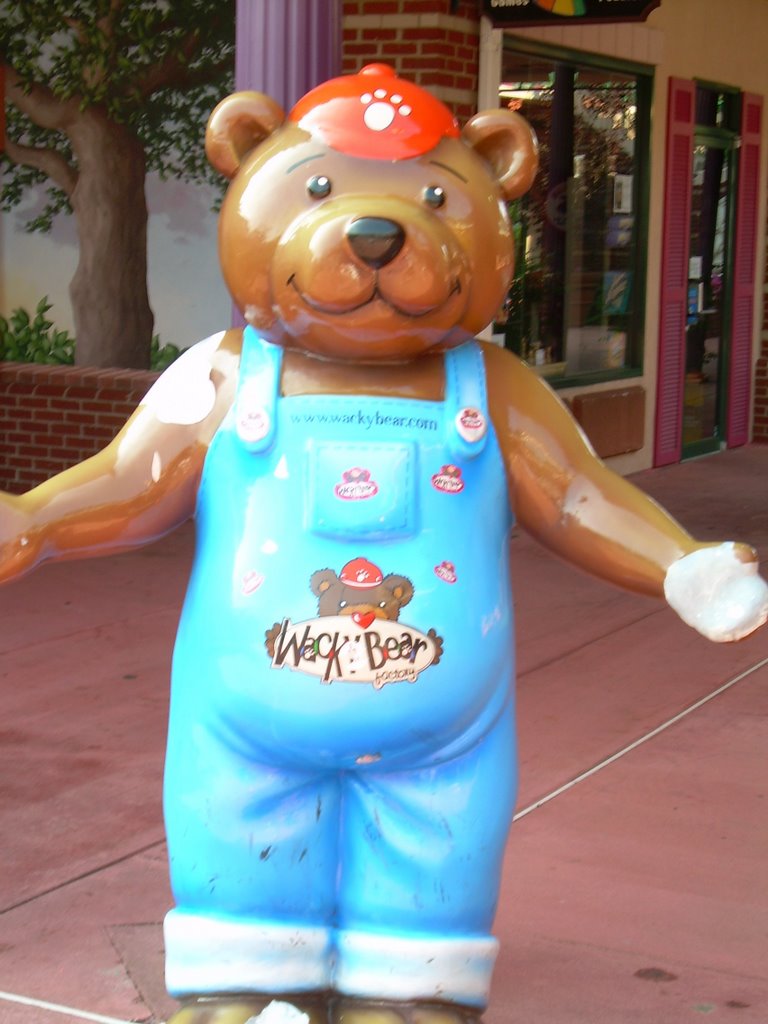
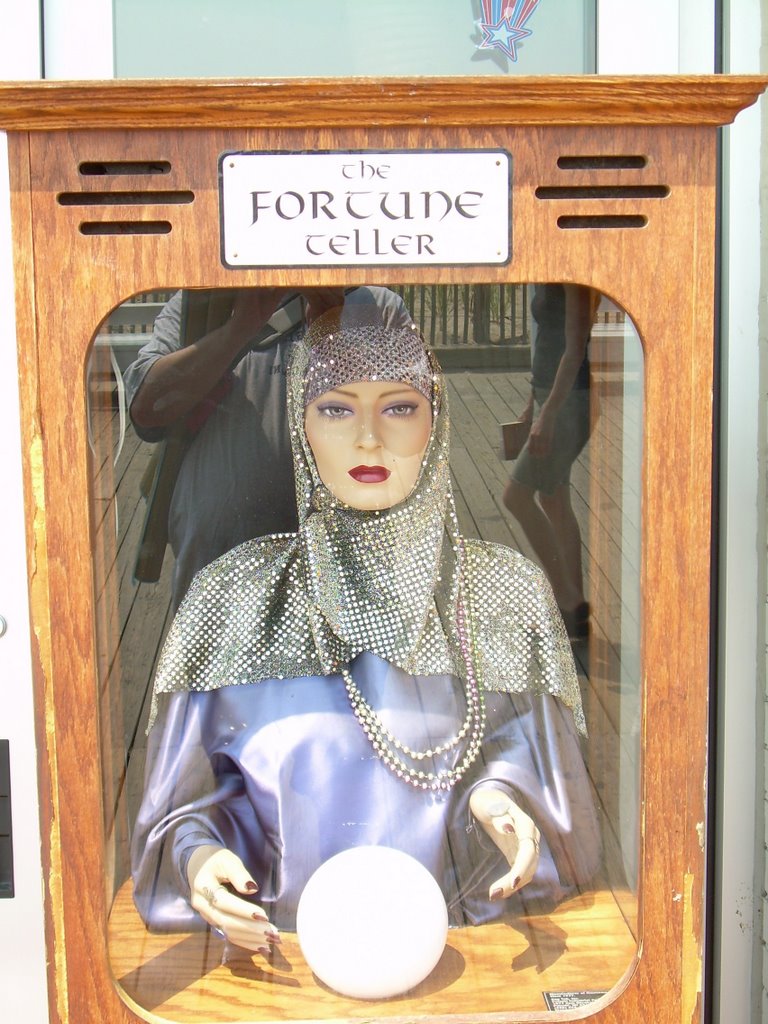
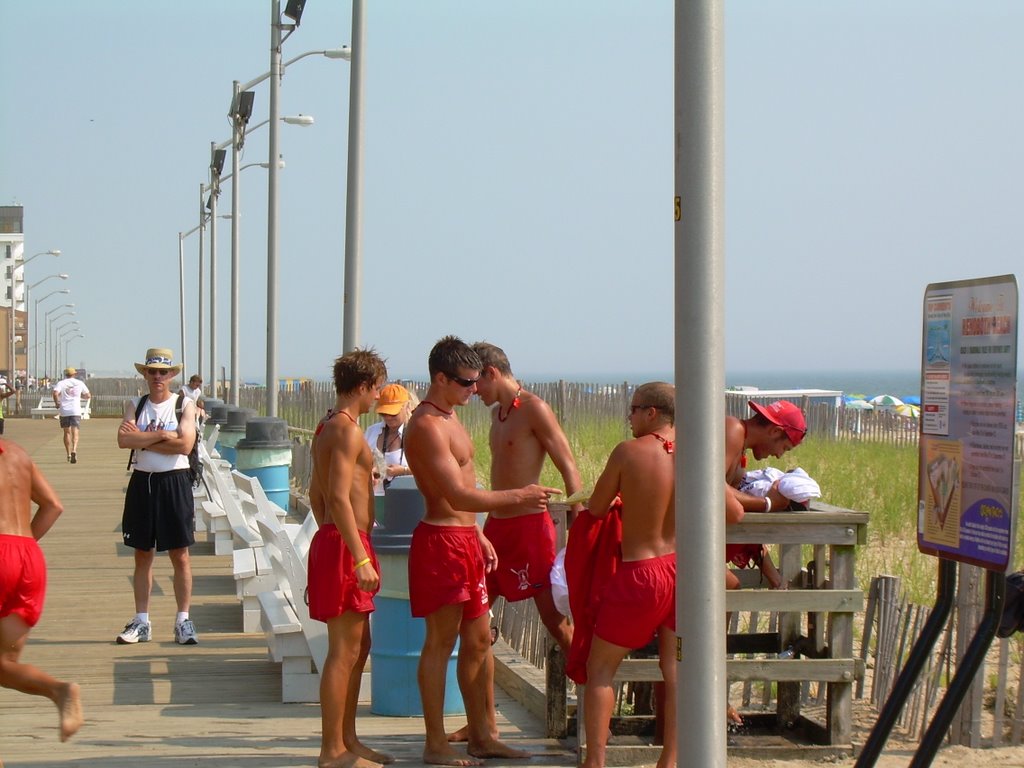
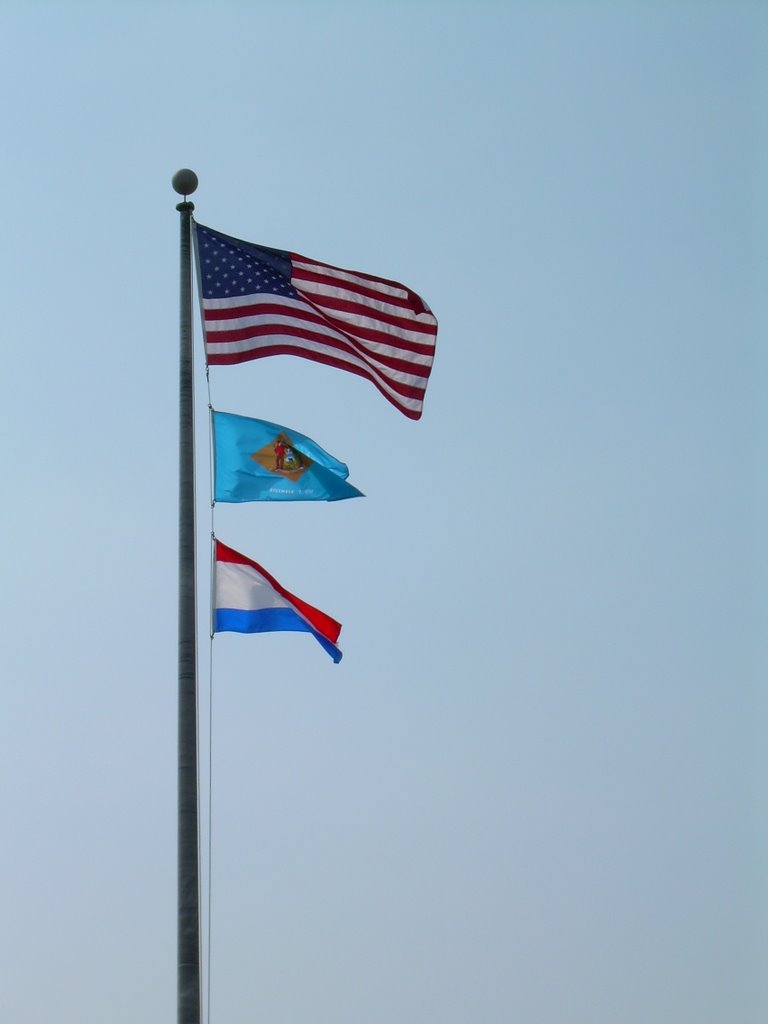
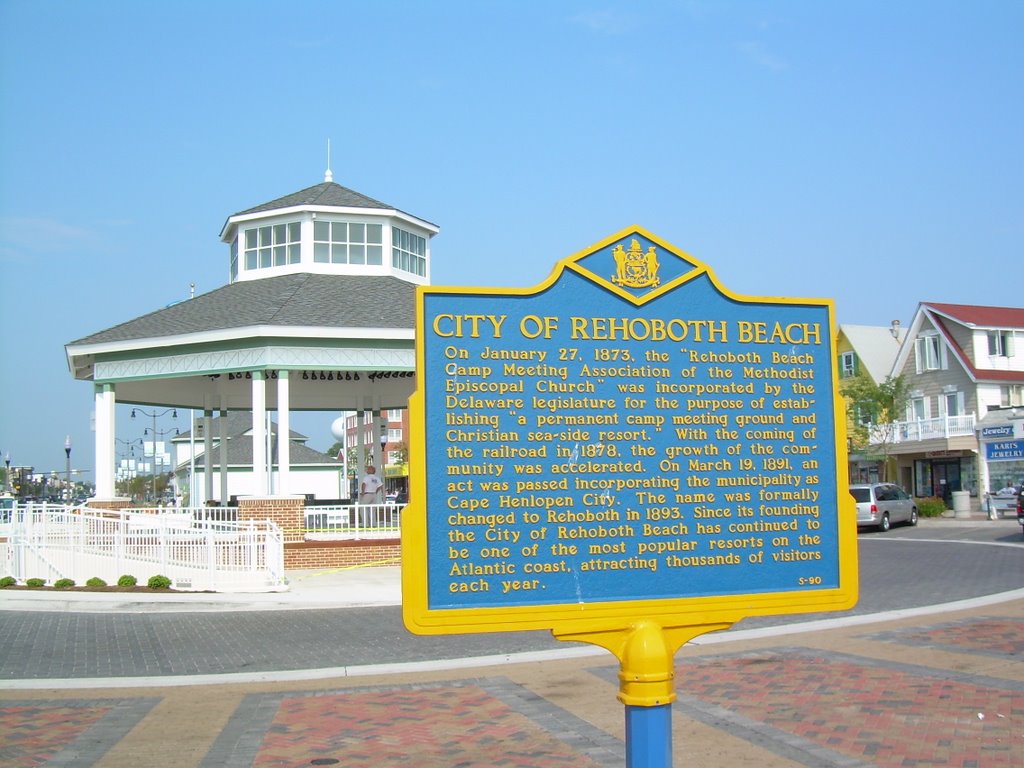
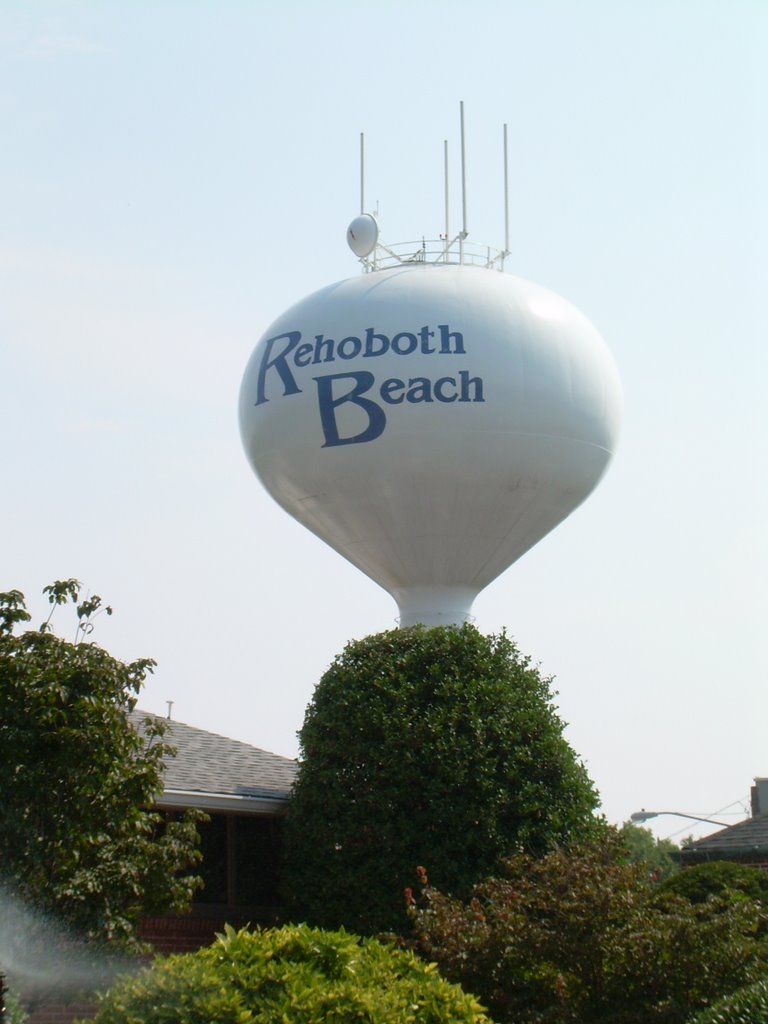
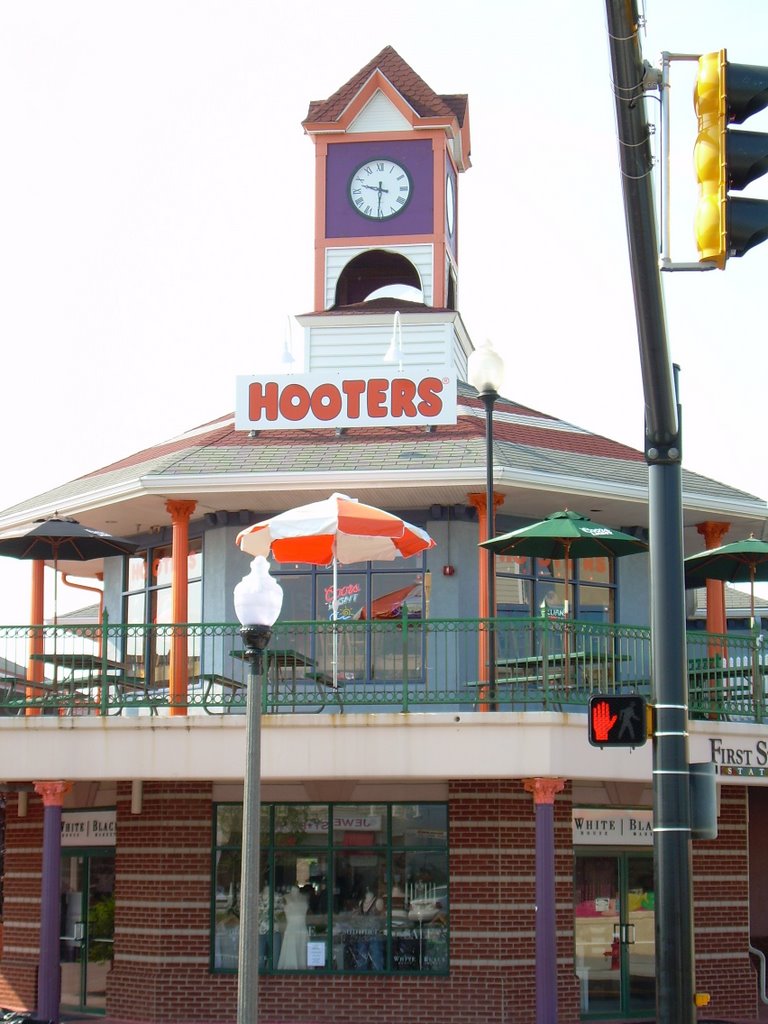
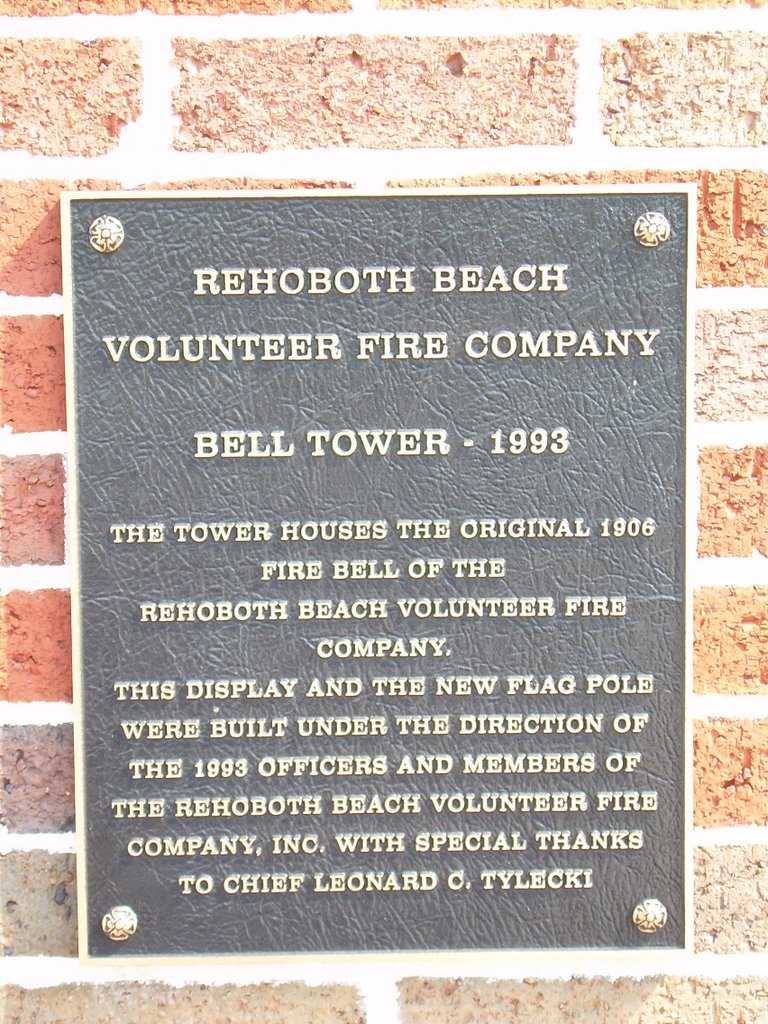
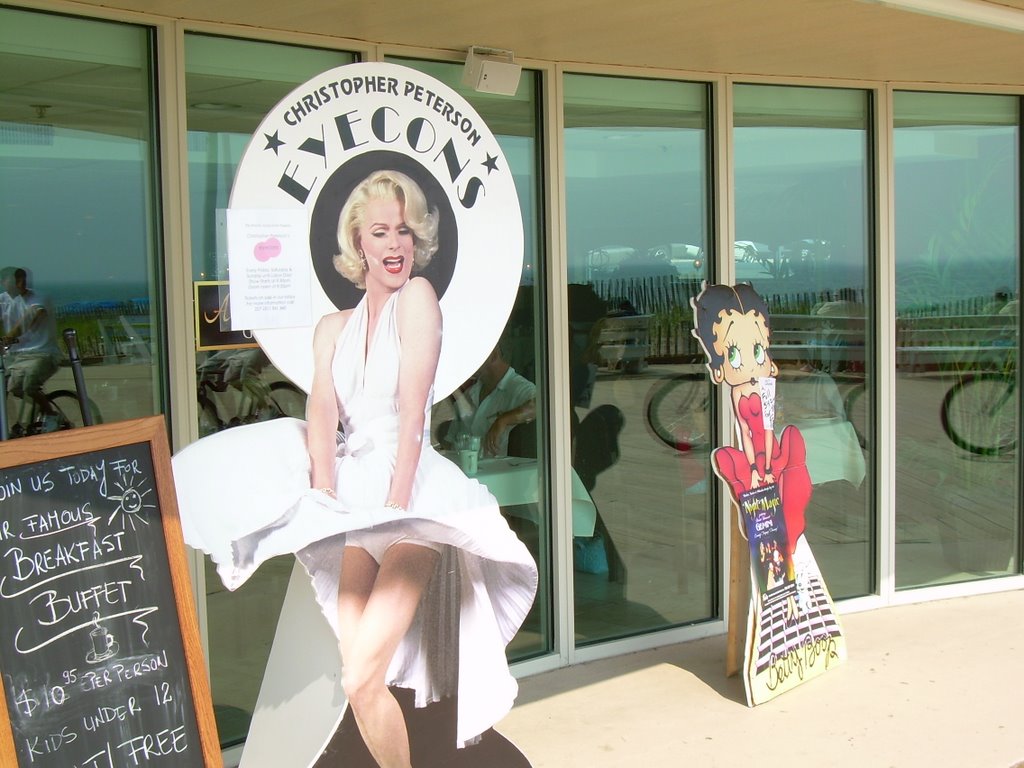
So here are some random photos from my brief, midweek stay at Rehoboth Beach.


I'm safely returned to Charlottesville now; my wi-fi connection at the beach was too weak to accommodate Blogger's demands. I had hoped to post this on Wednesday but it is already early Friday morning. But it's the beach -- who cares if it's timely or not?

Update: I found this great summary of Rehoboth's charms in the New York Times travel section:
On Fridays, the exodus from the nation's capital to the nation's summer capital, Rehoboth Beach, begins in earnest by 2 p.m. Back-ups are commonplace along the nearly 125-mile route, culminating in a final five-mile crawl along Route 1. Rehoboth, with its cedar-shingled cottages sheltered by tall pines, still has echoes of its beginnings as a Methodist camp. But its proximity to Washington's affluence and diversity has spawned a sea change in real estate values and its cultural landscape, too. Increasingly, the resort resembles Washington's bikinied and tight-T-shirted alter ego. During the day, straight and gay singles congregate on the town's public beaches. At night, they meet and greet at house parties or frolic in the nearly 75 restaurants with bars that blanket the one-square-mile town. Rehoboth's year-round population of about 1,500 swells to as many as 80,000 on a summer weekend, but, as its biblical name connotes, it does have room for all.
The article goes on to describe various restaurants, bars, and other attractions.